
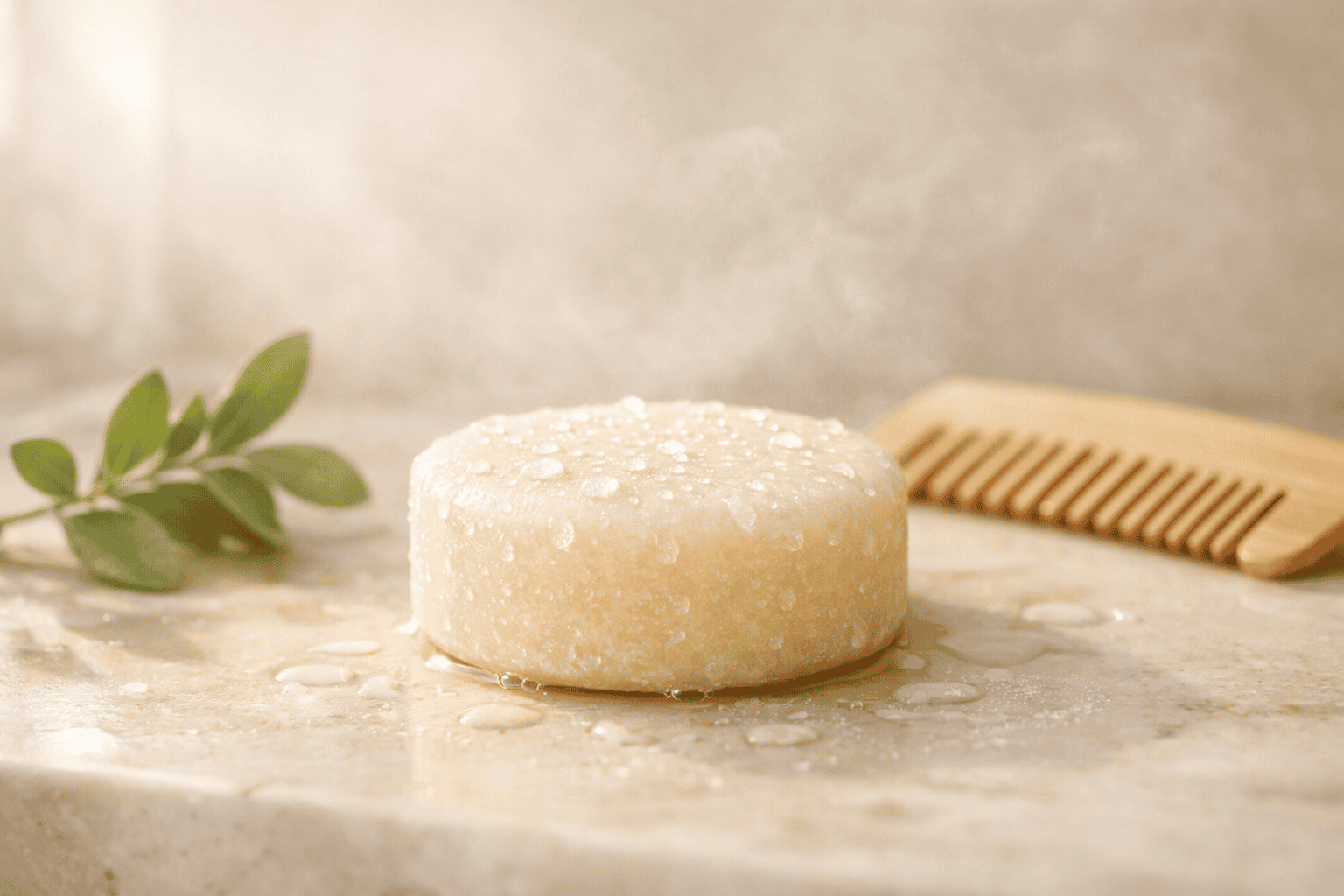
How to Use a Shampoo Bar: A Week-by-Week Transition Guide
If you’ve ever tried switching to a shampoo bar and ended up with waxy, heavy hair after a week, you’re not alone. Most people give up during the transition period without realizing that what they’re experiencing is completely normal, temporary, and manageable.
Here’s how to use a shampoo bar properly, what to expect each week, and how to make the switch without losing your mind in the process.
Why Switch to a Shampoo Bar in the First Place?
Before getting into the how, it’s worth being clear on the why.
Most liquid shampoos are roughly 80% water. You’re paying for packaging, preservatives, and fillers as much as you’re paying for the actual cleansing ingredients. Shampoo bars strip all of that out. What you get is a concentrated, plastic-free product that lasts significantly longer than a liquid bottle and travels without the risk of leaking in your bag.
Beyond the practical benefits, a well-formulated shampoo bar uses gentler, often plant-derived cleansers that don’t strip the scalp’s natural sebum the way sulfate-heavy liquid shampoos do. For anyone dealing with dryness, frizz, or a sensitive scalp, this matters.
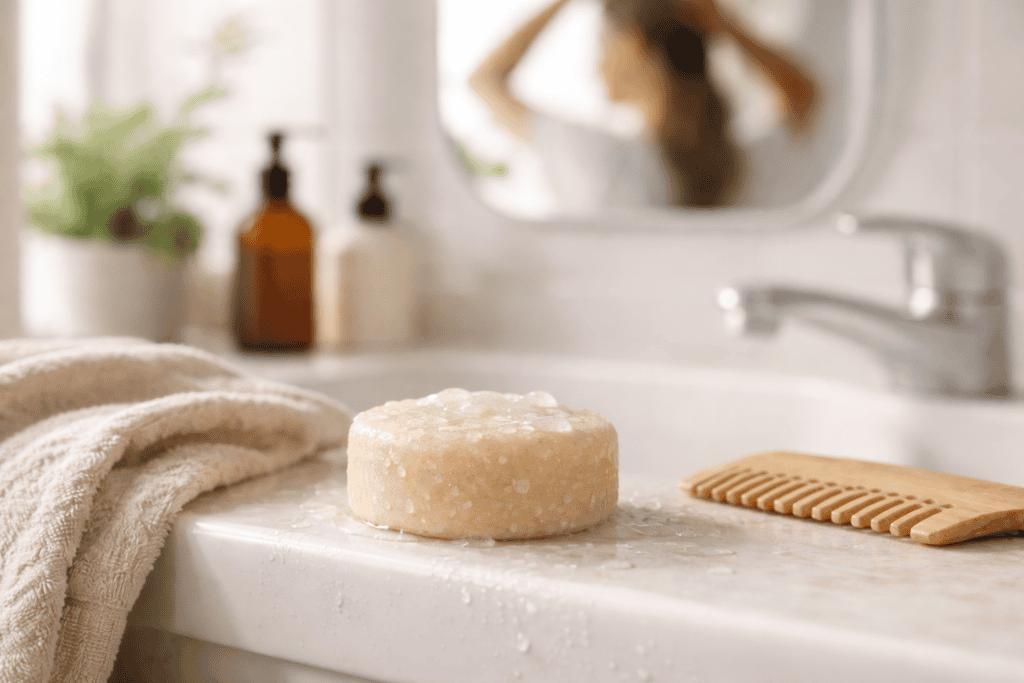
Why Does Hair Feel Waxy at First?
This is the question nobody warns you about, and it’s the main reason people give up on shampoo bars too soon.
When you switch from a sulfate-based liquid shampoo to a natural shampoo bar, your scalp goes through an adjustment period. For years, your scalp has been stripped of its natural oils by harsh cleansers, so it compensated by producing more sebum. When you stop stripping it, it takes time to recalibrate.
On top of that, if you live in a hard water area, the minerals in the water can react with the natural ingredients in a shampoo bar and leave a residue on the hair. This is what creates that waxy feeling.
Neither of these problems is permanent. Both are manageable.
What You Need Before You Start
Before your first wash with a shampoo bar, a few things will make the transition significantly smoother.
An apple cider vinegar rinse is your best friend during this period. Mix one tablespoon of apple cider vinegar with one cup of water. After shampooing, pour it through your hair, leave it for 30 seconds, then rinse. It removes mineral buildup, closes the hair cuticle, and adds shine. It sounds intense but the smell disappears completely once your hair dries.
A good conditioner or conditioner bar is also important. Shampoo bars cleanse, they don’t condition. Pairing your shampoo bar with a conditioner from the start will make the transition period much more comfortable.

Week by Week: What to Expect
Week 1
This is the hardest week. Your scalp is still in sebum overproduction mode, and your hair may feel heavier than usual, particularly towards the roots. This is normal.
Wash your hair as you normally would, but use the apple cider vinegar rinse after every wash this week. Focus the shampoo bar on your scalp rather than the lengths of your hair. Use your conditioner on the mid-lengths and ends only.
How to use a shampoo bar: wet your hair thoroughly, rub the bar between your palms to create a lather, then apply the lather to your scalp with your fingertips. You can also rub the bar directly onto your scalp in sections if you prefer. Massage gently, rinse thoroughly.
Week 2
Most people notice improvement by the end of week two. The waxy feeling starts to reduce, and the scalp begins to settle into its natural sebum rhythm.
Continue using the apple cider vinegar rinse, but you can reduce it to every other wash if your hair is responding well. Pay attention to how your scalp feels between washes. If it feels less oily than in week one, that’s a good sign.
Week 3
By week three, the majority of people are through the worst of the transition. Hair starts to feel lighter, cleaner, and more balanced. The scalp is producing sebum at a more normalized rate.
You can experiment with reducing the apple cider vinegar rinse to once a week at this point. Some people find they don’t need it at all after this stage.

Week 4 and Beyond
Most people are fully adjusted by week four. Hair feels clean, the scalp feels balanced, and the waxy phase is a distant memory.
At this point, you’re using a shampoo bar like any other hair product, with no special adjustments needed. Many people find that once they’re through the transition, they can wash their hair less frequently than before, because their scalp is no longer overproducing sebum to compensate for being stripped.
How to Choose the Right Shampoo Bar
Not all shampoo bars are created equal, and the formulation matters a great deal during the transition period.
Avoid shampoo bars that use soap-based formulas, which are the ones that cause the most wax buildup, particularly in hard water. Look instead for bars that use synthetic detergent cleansers derived from plants, often listed as sodium cocoyl isethionate or coco glucoside. These behave much more like liquid shampoos in terms of rinseability, without the harsh sulfates.
A ghee-based shampoo bar adds another layer of benefit. Ghee helps maintain the scalp’s lipid barrier during the transition, which means less compensatory sebum production and a shorter adjustment period overall.
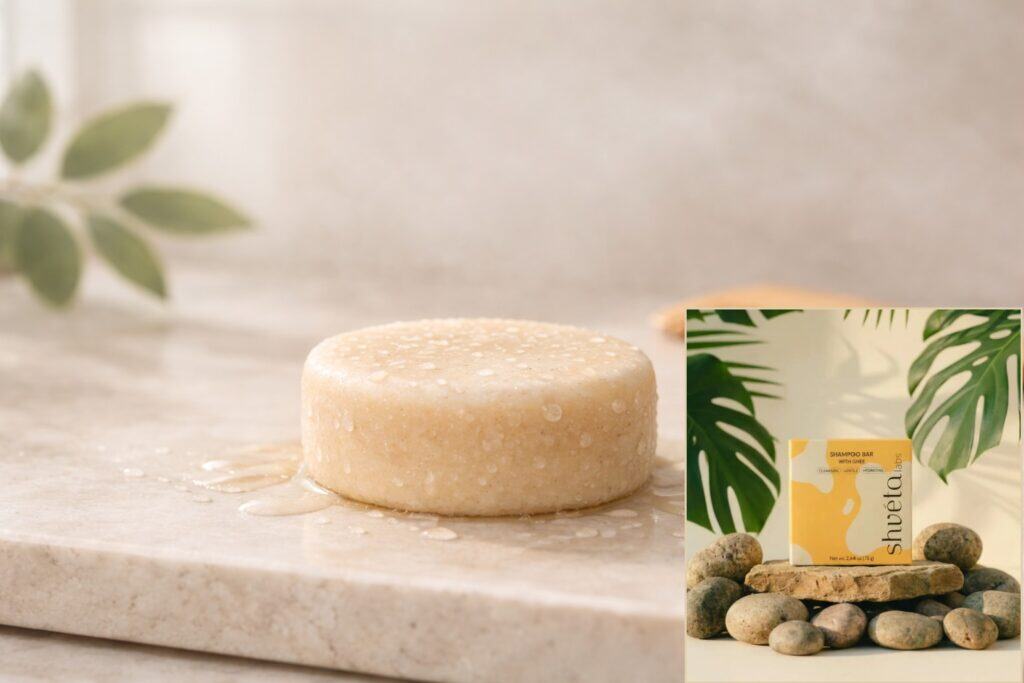
The Shvéta Labs Ghee Shampoo Bar uses coco glucoside as its primary cleanser, a coconut-derived surfactant that lathers well without stripping. The ghee keeps the scalp nourished throughout the cleansing process, which makes it one of the more transition-friendly options we’ve come across.
Common Mistakes to Avoid
Giving up too early is the most common mistake. The transition period is real, but it ends. Most people who push through to week three are glad they did.
Not rinsing thoroughly is another common issue. Shampoo bars require a thorough rinse, longer than you think. Any residue left on the hair will contribute to that waxy feeling.
Using too much product is also worth watching. You need far less lather than you think. A small amount of lather worked through the scalp is enough.
The Bottom Line
Learning how to use a shampoo bar properly is mostly about managing expectations during the first few weeks. The transition is real, but it’s temporary. What’s waiting on the other side is a simpler, more sustainable routine and a scalp that’s genuinely healthier for not being stripped every wash day.
Give it four weeks. Your hair will thank you.




One Comment