
5 Natural Beauty Rituals Every Yoga Practitioner Should Know
The natural beauty rituals yoga practitioner should know aren’t complicated. Long before wellness became an industry, Ayurvedic tradition treated the body as one connected system, and caring for your skin, hair, and senses was part of the same daily practice as movement and breath. These five rituals are small enough to fit into any schedule. Over time, they quietly compound into something you can actually see.
Pre-Practice Scalp Oiling: The Natural Beauty Ritual Yoga Practitioner Needs
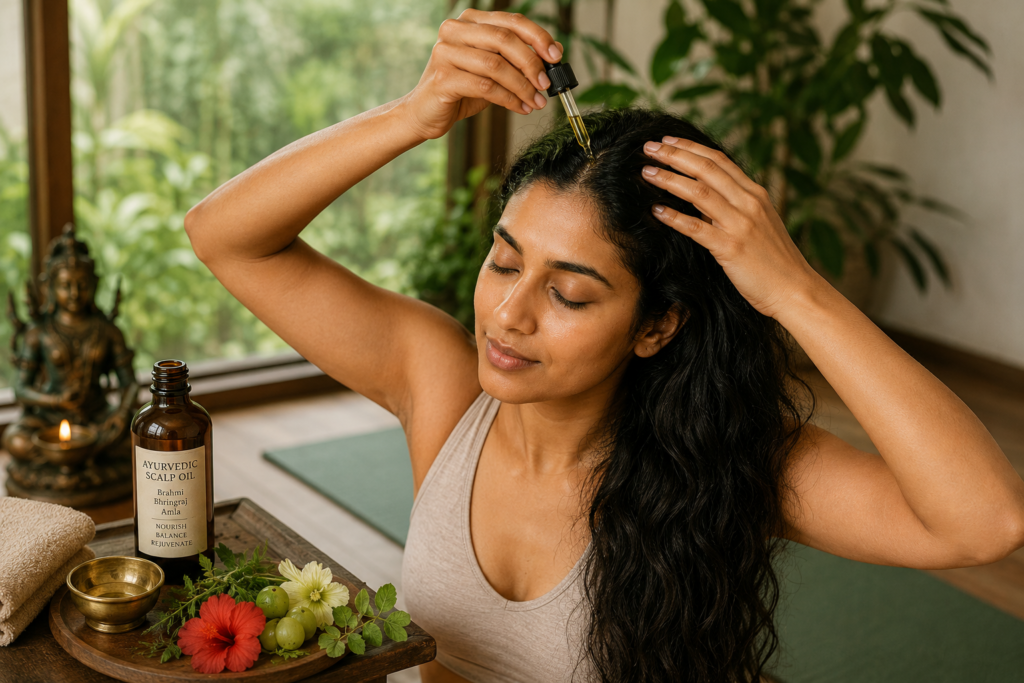
In Ayurveda, oiling the scalp before physical activity is one of the oldest beauty habits there is, and the logic holds up beautifully. When you move through a yoga session, your body heats from the inside out. Circulation increases everywhere, including at the scalp. Apply a lightweight hair oil 20 to 30 minutes before you step on the mat, massage it in with slow circular movements at the roots, and let the warmth of your session do the rest. The heat acts as a natural driver, helping the oil absorb more deeply than it would at rest.
The key is using something that nourishes without leaving your hair stiff or weighed down. A well-formulated hair serum built around biocompatible lipids, ones that genuinely work with your scalp’s natural chemistry rather than sitting on top of it, absorbs cleanly and leaves hair soft rather than coated. I’ve been reaching for the Hair Serum with Ghee & Rose from Shvéta Labs before practice lately. It’s built around bio-activated ghee molecules and absorbs without any stickiness. A few drops massaged into the scalp is all it takes.
2 minutes of massage, a loose braid, and you’re already in ritual mode before the first breath.
Abhyanga: The Five-Minute Self-Massage That Changes Everything
Abhyanga is the Ayurvedic practice of warm oil self-massage, traditionally done before bathing. The classical version takes 20 minutes and covers the full body. The 5 minute version, done with real intention, is what most people actually practice, and it still makes a meaningful difference.
Warm a small amount of oil in your palms and massage it into your skin using long strokes on the limbs and circular movements at the joints, always moving toward the heart. Then shower or bathe, leaving a thin residue of oil on the skin rather than washing it all away. Your skin stays soft for hours without applying anything else.
The benefits go beyond texture. Research on traditional oil massage practices points to measurable effects on circulation, nervous system tone, and skin hydration. But beyond the science, there is something about starting the day by touching your own body slowly and with care that shifts your relationship to it. That quality of attention carries directly into your practice on the mat.
Sesame oil is the traditional choice for most constitutions. Coconut works well if you run warm. The oil matters less than the habit. Abhyanga is one of those natural beauty rituals yoga traditions have carried for thousands of years, and it’s easy to see why it stuck.
Oil Pulling: The Ancient Reset You Do While the Kettle Boils
Oil pulling asks very little of you. One tablespoon of oil, 10 to 15 minutes of gentle swishing in the mouth, first thing in the morning before anything else enters. You can do it while you wait for water to boil, while you set your mat out, while you move through a few slow stretches before practice begins. It slots into the morning without adding a single extra step.
Ayurvedic tradition holds that oil pulling draws impurities from the mouth and supports the lymphatic system. Modern oral health research broadly agrees that it can help reduce oral bacteria and support gum health. Either way, the meditative quality of the practice is its own reward. Fifteen minutes where you cannot speak is fifteen minutes where you can breathe, observe, and arrive in your body before class formally begins.
Use cold-pressed coconut or sesame oil. Swish gently without gargling. Spit into the bin when done, never the sink. Rinse with warm water, and you’re ready.
The Post-Sweat Cleanse: What You Do in the 20 Minutes After Class
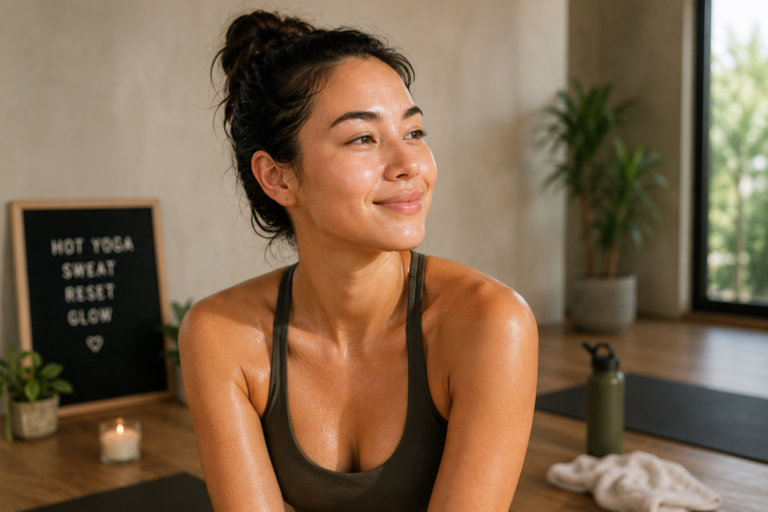
Sweat is not the problem. Staying in it is. After a yoga session, your pores have been open and your skin has genuinely worked hard. These are the natural beauty rituals yoga practitioners often overlook, yet they make one of the biggest differences over time. A light cleanse within 20 minutes of finishing class makes a real difference to how your skin behaves over weeks and months of practice.
The most common mistake here is reaching for something stripping. A harsh cleanser after exercise can push skin into reactive mode, triggering excess oil production or redness in the days that follow. What you want instead is something that removes surface residue and sweat while leaving the skin barrier intact. Micellar water works well on the go. A gentle mousse or gel cleanser is ideal at home. A simple rule: if your skin feels tight after cleansing, that formula is working too hard.
For a full breakdown of what to apply before class and how to layer products after, our guide to your full skincare routine around yoga sessions covers every step in detail.
A Cooling Ritual for Your Face at the End of the Day
The end of a yoga day calls for something that brings the body back to stillness. Whether your practice was at dawn and you’ve carried the energy through a full day, or you finished an evening session and your face still holds some residual heat, a short cooling ritual signals to your nervous system that the active part is done.
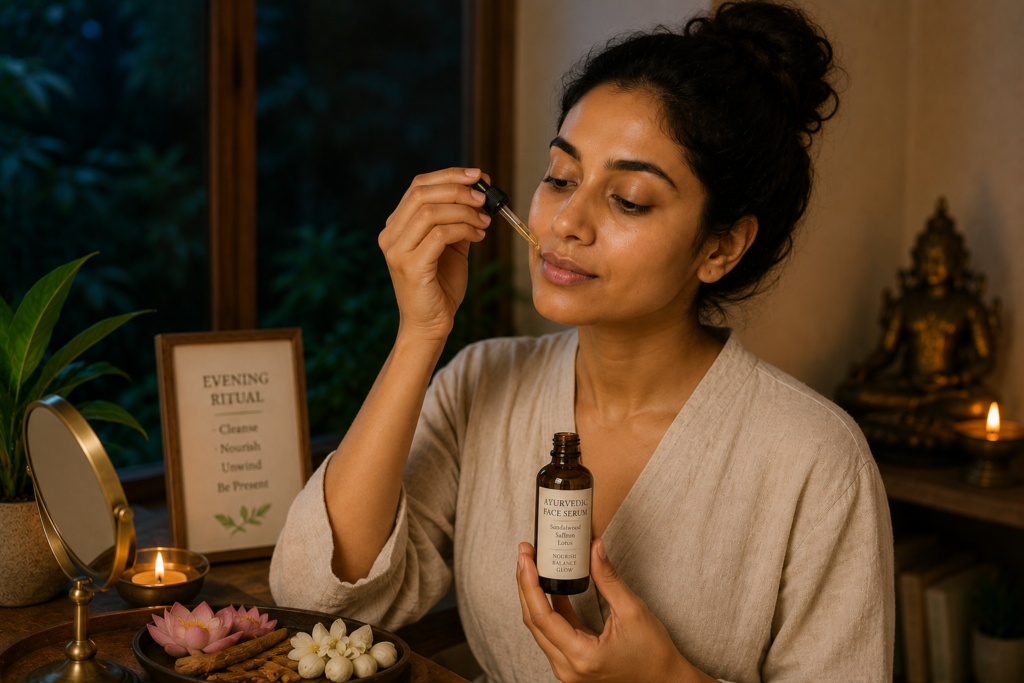
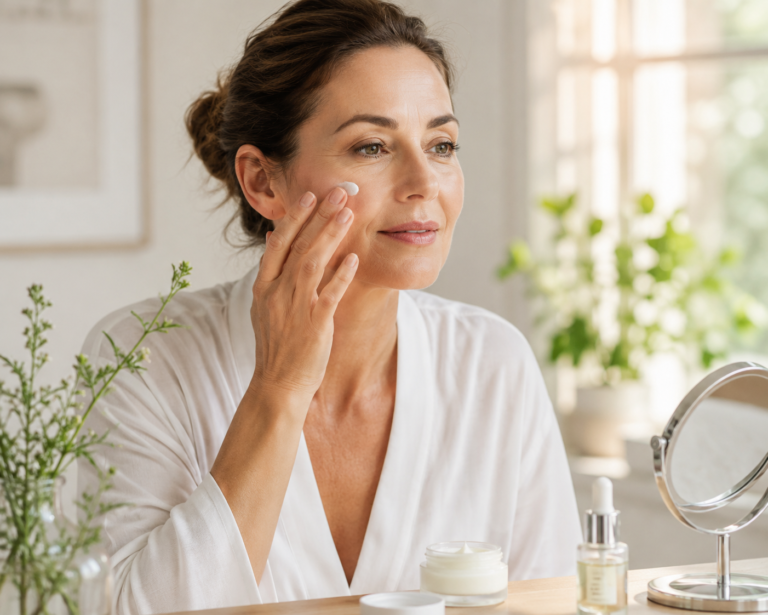
Start with the simplest version of a compress: a clean cloth soaked in cool water, held gently against the face for a minute or two. It brings down lingering heat and calms any redness from exertion. Follow with a light layer of face oil or serum, pressed in slowly using your palms rather than rubbed, letting the warmth of your hands help it absorb. No rushing. No dragging. Just slow, deliberate pressure.
Five minutes of intentional touch before sleep is more restorative than 20 minutes of distracted application. The pace, as with yoga itself, is the actual practice.
Natural Beauty Rituals for Yoga Practitioners: Start Small, Stay Consistent
None of these natural beauty rituals yoga practitioners rely on demand a significant investment of time or money.
Start with one. Scalp oiling before practice is the easiest entry point because it attaches naturally to something you’re already doing. Add a second ritual when the first feels automatic. Within a few weeks, the combination stops feeling like a checklist and starts feeling like a way of moving through the day.
That’s what yoga and Ayurvedic beauty rituals share at their core: both teach you that slow, consistent, intentional practice changes things in ways that rushing never can.
One Comment