

Your Skincare Routine Before and After a Hot Yoga Session
If you practice hot yoga regularly, you already know that your skin takes a hit. The heat, the sweat, the bacteria on the mat, the post-class rush to get on with your day. Without the right approach, hot yoga can leave your skin more congested, dehydrated, and irritated than before you walked into the studio.
The good news is that a simple skincare routine yoga practitioners follow before and after class makes a significant difference. Getting your skincare routine yoga-ready doesn’t require extra products or extra time. Here’s exactly what to do.
Why Hot Yoga Affects Your Skin Differently
Regular yoga is one thing. Hot yoga, typically practiced in a room heated to around 38 to 40 degrees Celsius, is another. The sustained heat causes intense sweating, which opens pores and brings impurities to the surface of the skin.
This is actually a good thing, but only if you manage it properly. Sweat itself is not the enemy. The problem is when sweat mixes with makeup, sunscreen, dirt, and bacteria on your skin, and then sits there as your pores remain open and vulnerable.
For people with acne-prone or sensitive skin, hot yoga without a proper skincare routine can trigger breakouts, redness, and dehydration. For everyone else, it’s simply a missed opportunity to let the skin benefit from what the heat is offering.

Before Hot Yoga: Keep It Minimal
The goal before class is simple. You want a clean, bare face that can sweat freely without anything blocking or mixing with that sweat.
Step 1 : Remove everything
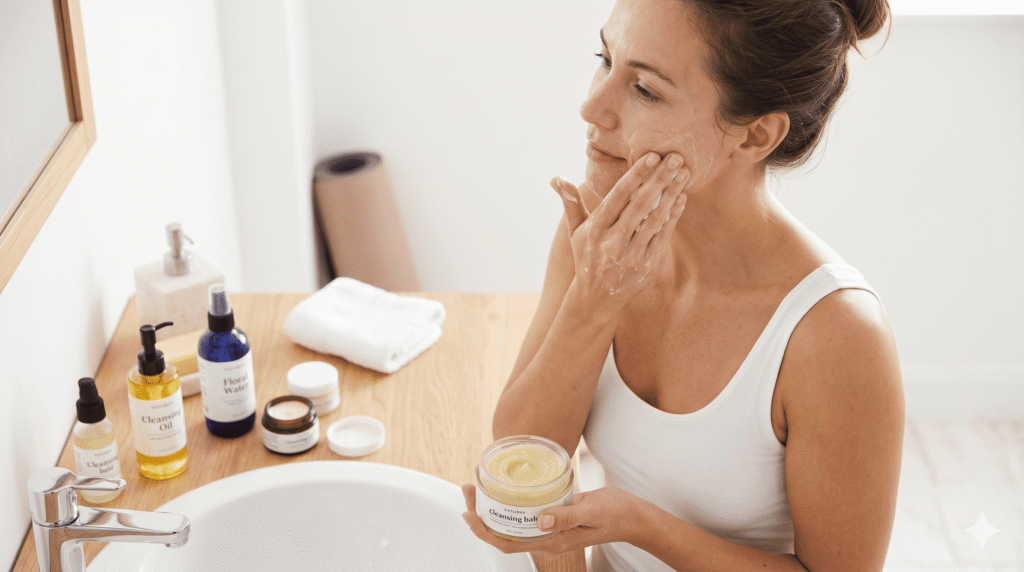
If you’re going to a morning class, just cleanse gently and leave it at that. If you’re going after work, remove your makeup and sunscreen thoroughly before you step into the studio. A gentle oil-based cleanser or micellar water works well here.
Going into hot yoga with a full face of makeup is one of the fastest ways to clog your pores. If you have acne-prone skin, you already know how sensitive your pores can be, here is a full breakdown of what clogs them and what doesn’t. The heat opens everything up, and anything sitting on the surface goes straight in.
Step 2 : Skip the moisturizer
This feels counterintuitive, but applying a heavy moisturizer right before hot yoga creates a barrier that traps sweat and heat against the skin. Your skin will produce its own moisture during class. Let it.
If your skin is very dry or tight, a tiny amount of a lightweight, non-comedogenic oil is fine. But keep it minimal.
Step 3 : No SPF in the studio
You don’t need sun protection inside a heated studio. Save your SPF for after class if you’re heading outside.
During Class: Let Your Skin Breathe
Resist the urge to wipe your face with your hands during class. Your hands touch the mat, your props, and everything else in the studio. Every time you touch your face, you’re transferring bacteria directly onto open pores.
Bring a clean, soft towel dedicated to your face only. Pat gently rather than rubbing, which can irritate the skin and spread bacteria. This one habit alone can transform your skincare routine yoga session by session.
After Hot Yoga: The Recovery Routine
This is where the real skincare opportunity lies. Your pores are open, your circulation is up, and your skin is primed to absorb whatever you put on it. Use that window well.
Step 1 : Cleanse within 20 minutes of finishing class
Don’t wait. The longer sweat, bacteria, and impurities sit on your skin post-class, the higher the risk of congestion and breakouts. A gentle, sulfate-free cleanser is ideal here. You want to remove everything without stripping the skin barrier you’ve been building.
Step 2 : Apply a lightweight serum while skin is still slightly damp
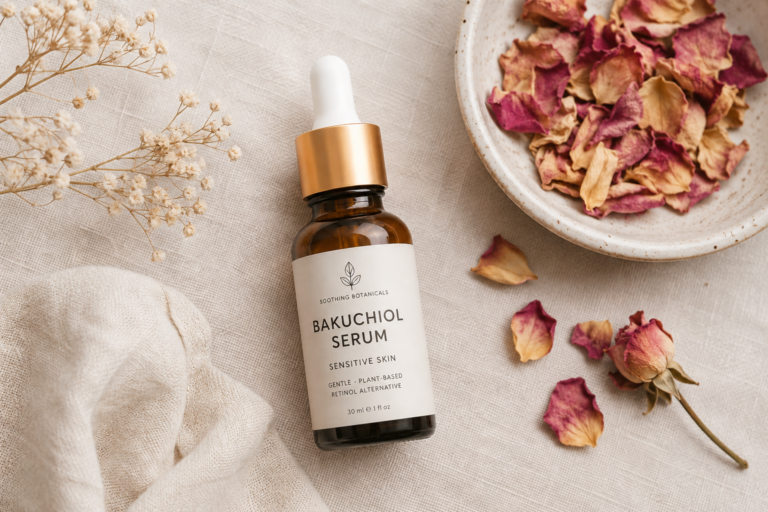
This is the golden window. When skin is warm and pores are open, active ingredients absorb more effectively. A serum with calming, nourishing ingredients addresses any post-class redness or inflammation before it sets in. Ghee-based serums are particularly well suited here because of their biocompatibility with human skin.
This is where a well-formulated ghee-based serum earns its place in a skincare routine yoga practitioners will actually stick to. The Shvéta Labs Face Ritual range is designed around ghee and Damask Rose, two ingredients with documented anti-inflammatory properties that work beautifully on post-yoga skin. The serum absorbs quickly, doesn’t feel heavy, and calms the redness that can come with intense heat exposure.

Step 3 : Moisturize properly
After cleansing and serum, apply a moisturizer suited to your skin type. Your skin has just been through an intense experience and needs to restore its barrier. Don’t skip this step thinking your skin looks fine. Post-yoga dehydration can set in hours later if you don’t address it immediately.
Step 4 : SPF if you’re going outside
If you’re heading out into daylight after class, apply your sunscreen as the final step. Your post-yoga skin is particularly vulnerable to UV damage because the heat has increased skin sensitivity.
What to Avoid in Your Post-Yoga Skincare Routine
The biggest mistakes people make in their skincare routine yoga practitioners should know about start with heavy makeup immediately after class. Your pores need time to close and breathe after the heat. Waiting at least 30 minutes before applying foundation or concealer gives your skin a chance to recover.
Harsh exfoliants. Your skin has already been through enough. Save exfoliation for a different day, not immediately post-yoga.
Hot showers. The irony of hot yoga is that a hot shower afterward continues to dilate your pores and can contribute to dehydration. A lukewarm or cool shower is genuinely better for your skin after class.

Building a Skincare Routine Yoga Practitioners Will Actually Keep
The best routine is the one you’ll actually do consistently. For hot yoga specifically, that means keeping it simple, being disciplined about cleansing before and after, and choosing products that work with what your skin is already doing rather than against it.
Sweat is one of the most natural detox mechanisms your skin has. Hot yoga amplifies it. Give your skin the support it needs around that process, and you’ll notice the difference over time.




3 Comments