
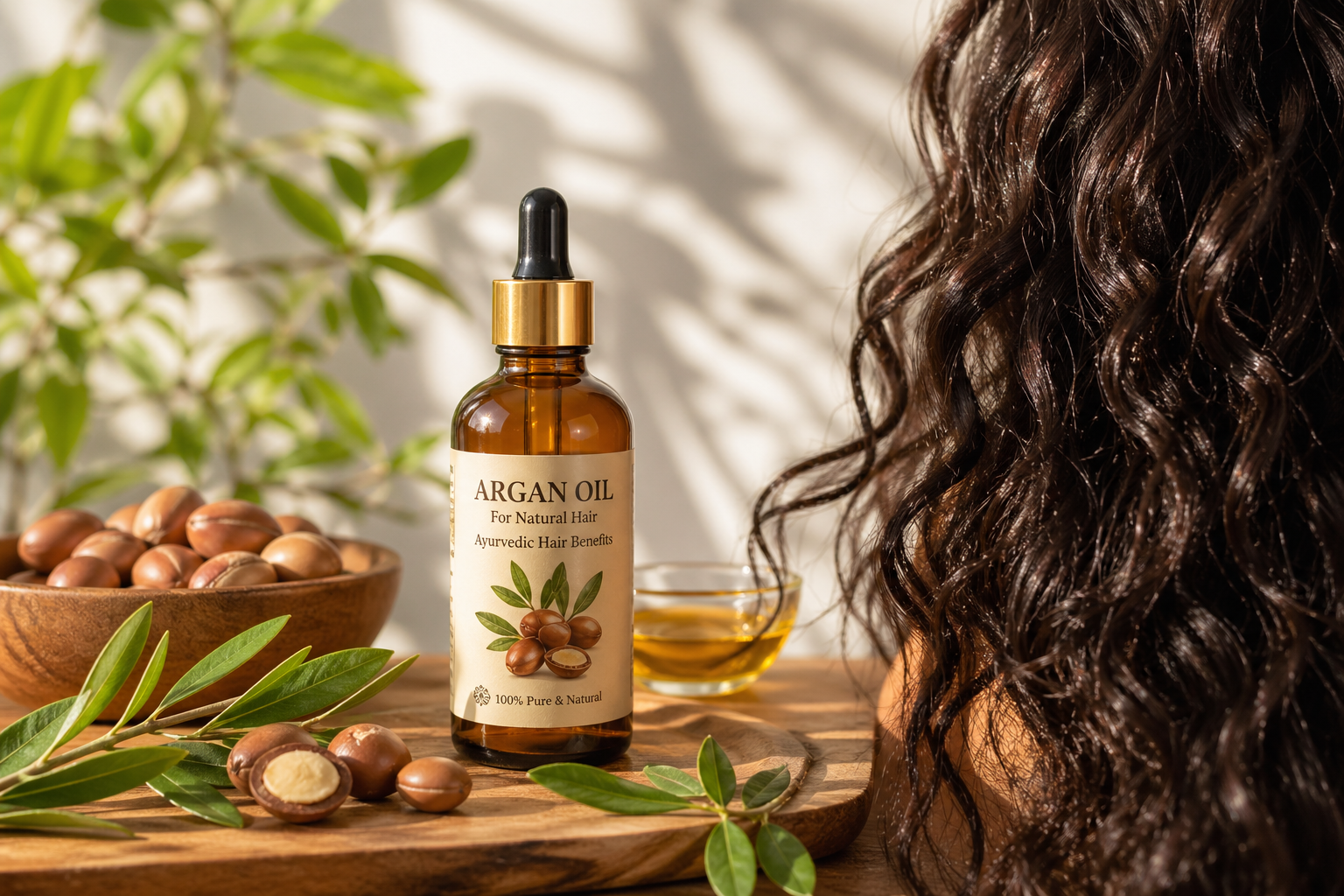
What Is Argan Oil and Why Is It So Good for Hair?
Argan oil for hair benefits have been talked about for years, and for good reason. But with so many oils competing for shelf space in the natural beauty world, it’s worth understanding what argan oil actually does, why it works, and whether it deserves a place in your routine.
Here’s the honest breakdown.
What Is Argan Oil?
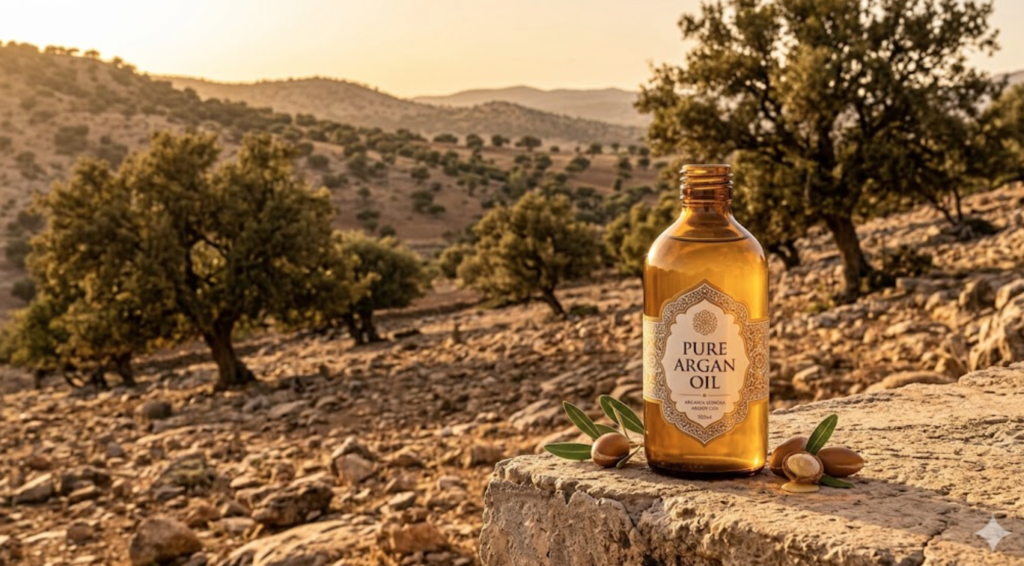
Argan oil comes from the kernels of the argan tree, Argania spinosa, which grows almost exclusively in southwestern Morocco. The tree is extraordinarily resilient, surviving in harsh, arid conditions that would kill most vegetation. Its kernels are cold-pressed to extract a golden oil that has been used by Berber women for centuries in cooking, skincare, and hair care.
The traditional extraction process is labor-intensive. Kernels are cracked by hand, ground into a paste, and then pressed to release the oil. This is why genuine, high-quality argan oil commands a premium price. Anything suspiciously cheap is likely diluted or processed in ways that degrade its beneficial compounds.
The Science Behind Argan Oil for Hair Benefits
The reason argan oil for hair benefits are so well documented comes down to its unique composition.
Argan oil is exceptionally rich in oleic acid and linoleic acid, two fatty acids that penetrate the hair shaft rather than just coating it. This is a crucial distinction. Many hair oils work by sitting on the surface of the hair and creating a temporary sheen. Argan oil actually gets inside the hair cortex and works from within.
It also contains vitamin E in unusually high concentrations, one of the most researched antioxidants for both skin and hair health. Vitamin E protects the hair from oxidative stress caused by heat styling, UV exposure, and environmental pollution. Over time, this protection translates to less breakage, more elasticity, and better overall hair integrity.
Squalene, another compound present in argan oil, mimics the natural sebum your scalp produces. This makes it particularly compatible with the scalp environment and helps regulate moisture without causing greasiness.
Argan Oil for Hair Benefits: What You Can Realistically Expect
Let’s be specific about what argan oil actually delivers.
It reduces frizz by smoothing the hair cuticle. When the cuticle lies flat, the hair surface reflects light evenly, which is what creates the shine argan oil is famous for. This also means less moisture escapes from the hair shaft, so hair stays hydrated for longer between washes.
It protects against heat damage. Applied to damp hair before blow-drying or heat styling, argan oil creates a barrier that reduces the temperature impact on the hair shaft. This doesn’t make heat styling completely safe, but it meaningfully reduces cumulative damage.
It improves elasticity. Hair with good elasticity stretches slightly under tension rather than snapping. This is the difference between hair that survives detangling and styling versus hair that breaks constantly. The fatty acids in argan oil contribute directly to this elasticity.
It nourishes the scalp. The vitamin E and squalene content make argan oil a good option for dry, itchy, or flaky scalps. It hydrates without clogging pores and has mild anti-inflammatory properties that can soothe irritation.

How Argan Oil Compares to Other Hair Oils
Argan oil sits in a specific niche among hair oils, and understanding where it fits helps you use it more effectively.
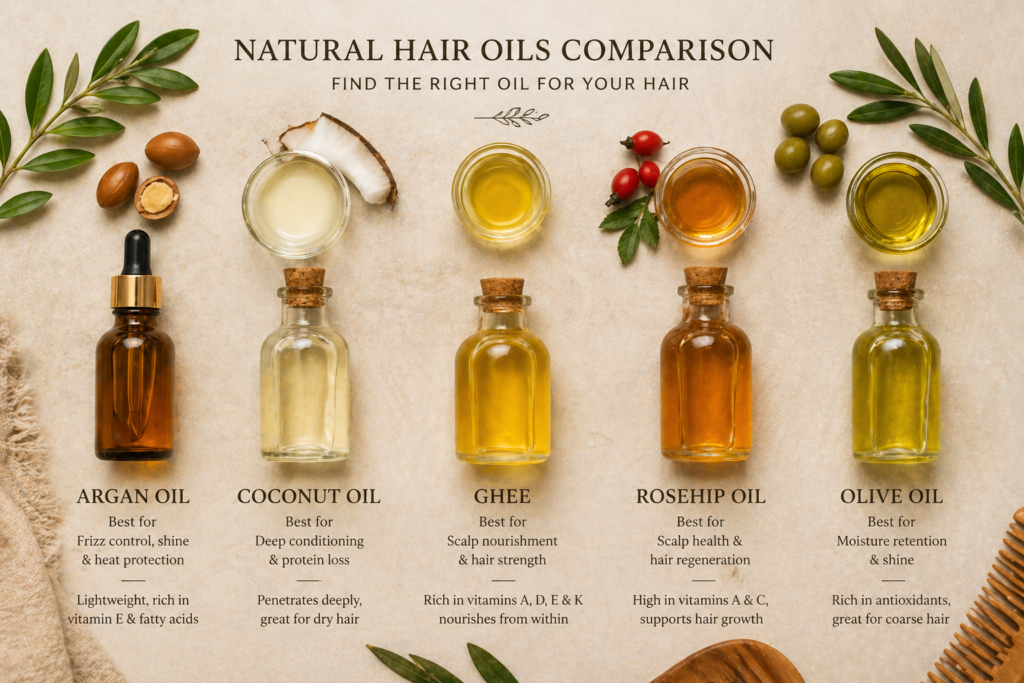
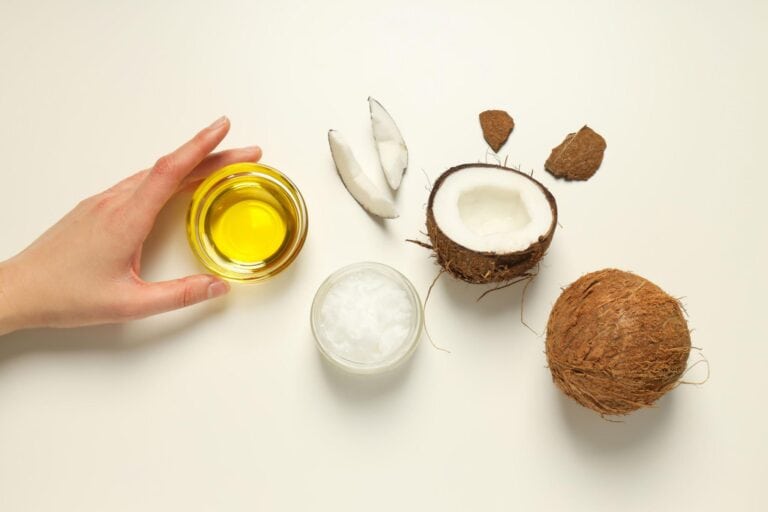
Coconut oil is the most penetrating of the popular hair oils. Its small molecular structure allows it to get deeper into the hair shaft than argan oil. However, it has a comedogenic rating of 4 and can cause scalp congestion for some people. It also has a heavier feel that doesn’t suit fine or low-porosity hair.
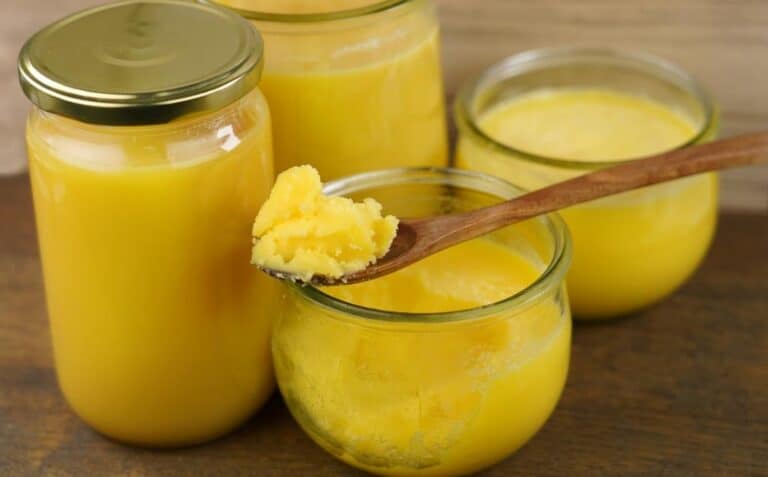
Ghee, which we’ve written about extensively on this blog, has a broader fatty acid profile and a significantly lower comedogenic rating than coconut oil. For scalp health and deep nourishment, ghee is arguably more versatile. But for surface shine and frizz control specifically, argan oil has the edge because of its light texture and high oleic acid content.
The two ingredients work particularly well together. Ghee addresses the scalp and deeper hair structure, while argan oil works on the hair shaft surface and cuticle. A conditioner that combines both delivers nourishment at every level of the hair.
Rosehip oil is another comparison worth making. It’s excellent for the scalp but lighter in texture than argan oil and less effective at frizz control. For color-treated hair, rosehip oil’s vitamin A content makes it a good complement to argan oil rather than a replacement.
How to Use Argan Oil for Hair
There are several ways to incorporate argan oil into your routine, and the right approach depends on your hair type and goals.
As a pre-shampoo treatment, apply a generous amount of argan oil to dry hair from mid-length to ends. Leave it on for 30 minutes to an hour before washing. This pre-poo method is particularly beneficial for dry, damaged, or color-treated hair because it prevents the hair from absorbing too much water during washing, which reduces hygral fatigue.
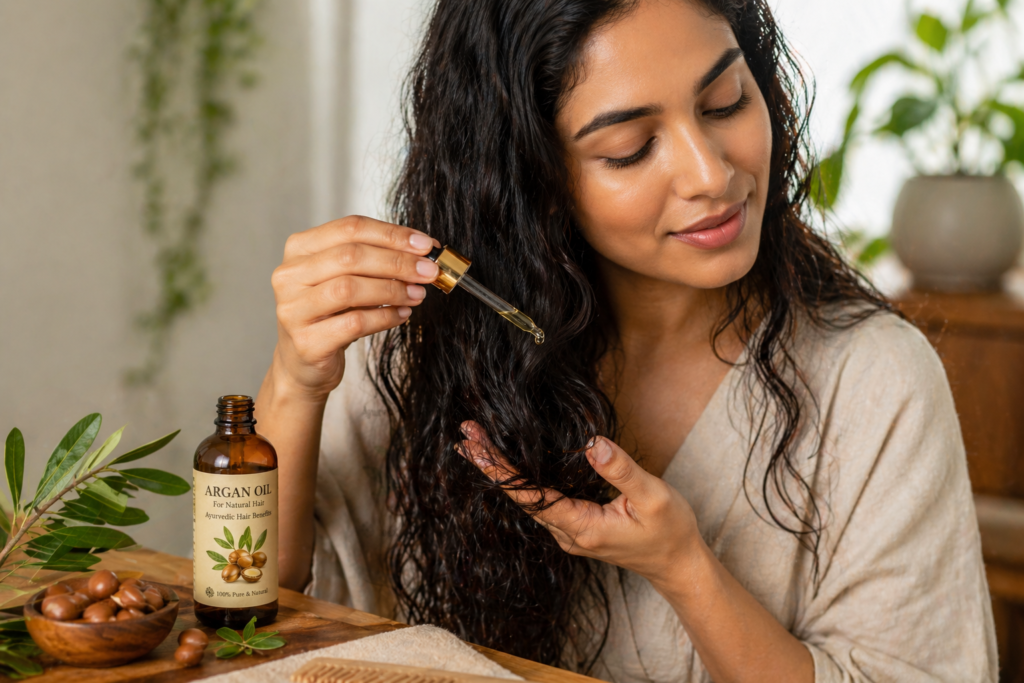
As a leave-in treatment on damp hair, apply two to three drops to damp hair after washing and before styling. Focus on the mid-lengths and ends rather than the roots. This is the most common way to use argan oil and works well for most hair types.
As a finishing oil on dry hair, a single drop warmed between your palms and smoothed over dry hair controls flyaways and adds shine without weighing the hair down. This technique works particularly well with fine hair that would be overwhelmed by heavier products.
For the scalp specifically, massage a small amount into the scalp once or twice a week and leave overnight. Rinse out in the morning. This is the best approach for dry scalp or flakiness.
How to Choose a Good Argan Oil Product
Pure argan oil should be listed as the first or only ingredient. The INCI name is Argania Spinosa Kernel Oil. If this appears low on an ingredient list, the concentration is likely too small to be meaningful.
Cold-pressed is the processing method that preserves the most nutrients. Heat-processed or refined argan oil loses a significant proportion of its vitamin E and fatty acid content.
The color should be a warm golden yellow. Clear or colorless argan oil has typically been refined to the point where most of its beneficial compounds have been removed.
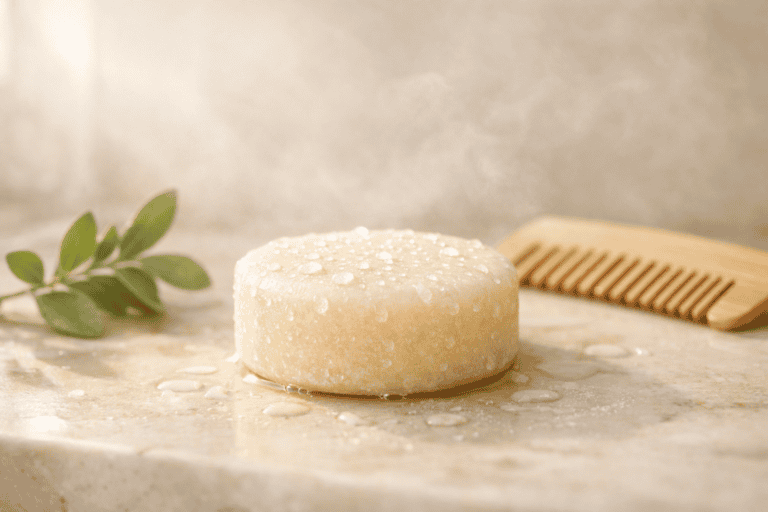
Argan oil also works well as a component in well-formulated products like conditioner bars, where it is combined with complementary ingredients that enhance its effectiveness. When evaluating these products, look for argan oil appearing in the first half of the ingredient list.
The Bottom Line
Argan oil for hair benefits are genuine and well-supported by both traditional use and modern research. Its combination of penetrating fatty acids, high vitamin E content, and light texture makes it one of the most versatile and effective natural hair oils available.
It’s not a miracle product, and no single oil is. But used consistently and correctly, argan oil will improve the shine, elasticity, and manageability of most hair types. That’s a reasonable promise, and it delivers on it.

2 Comments